Output Intelligence – Taming the Stochastic Beast
09.09.2026
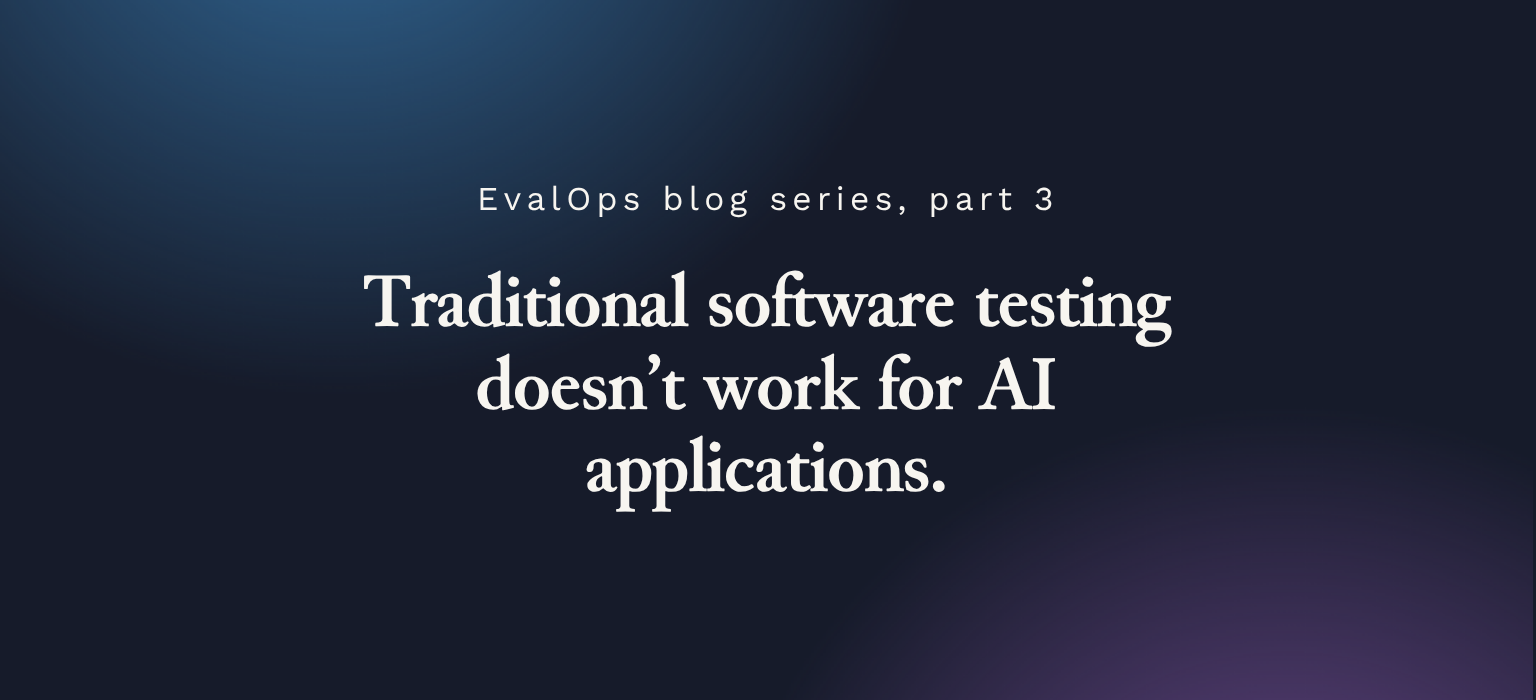
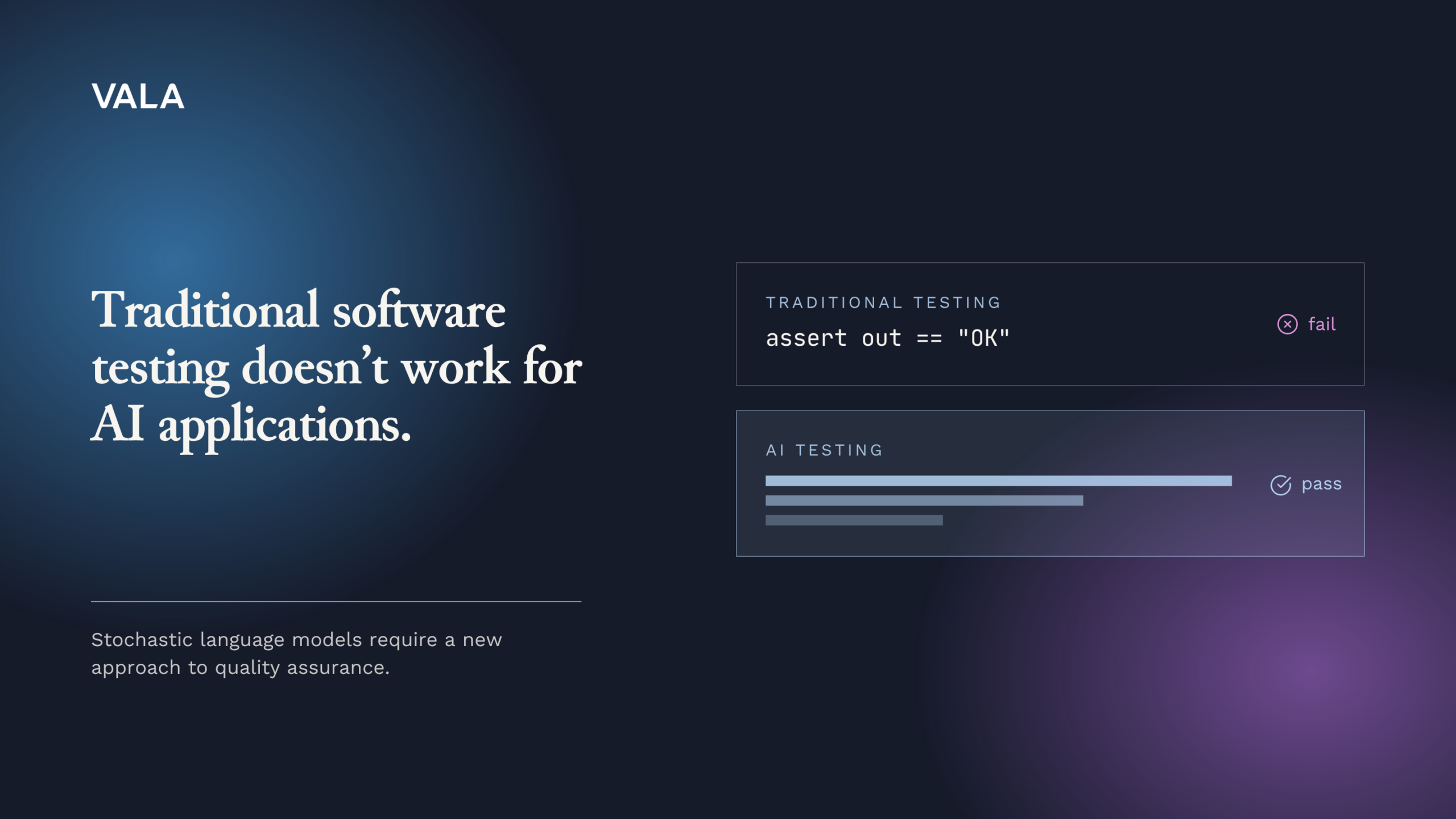
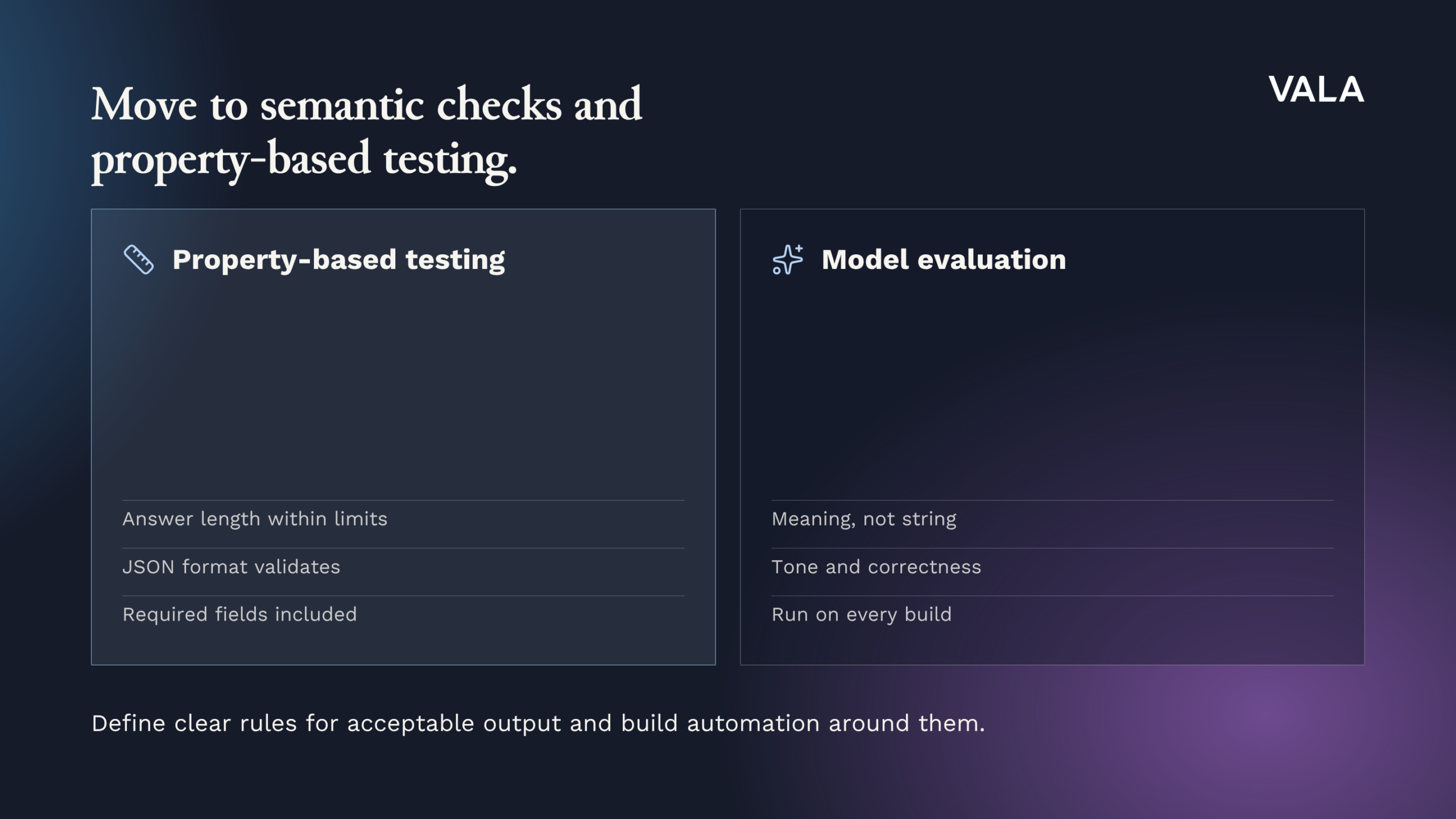
Traditional software testing relies on predictable outputs, but generative AI models introduce inherent variability. In this context, quality assurance evolves into EvalOps (Evaluation Operations). Instead of binary pass/fail checks, EvalOps uses graded evaluations to continuously measure and maintain model performance over time.
1. From Binary Tests to Graded Evaluation
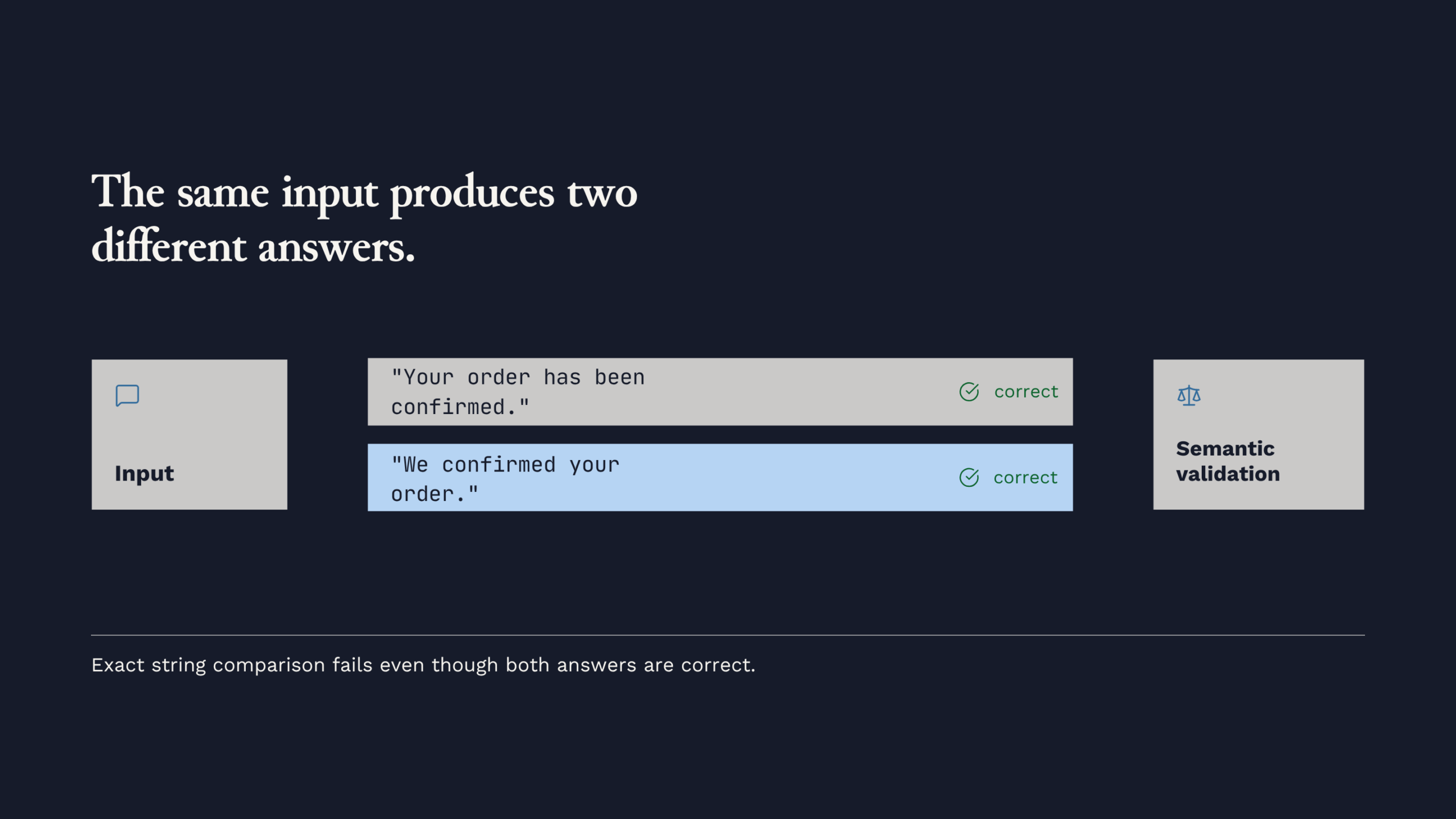
Testing will change (or has changed) from simple exact-match comparisons to graded scores evaluated against thresholds. This approach assesses whether two different outputs mean the same thing (semantic equivalence), verifies factual integrity, and ensures consistency with required tone rubrics. Rather than expecting identical strings, testing defines acceptable quality bands and statistical confidence levels to accommodate natural language variation.
2. Reference-Based vs Reference-Free Metrics
Reference-based metrics compare generated text against a trusted ground truth baseline (such as using BERTScore for similarity). These work best when a single target response or canonical standard is available. In contrast, reference-free metrics assess outputs on their own merits using specific rubrics like coherence and safety. This makes them ideal for open-ended generation where multiple distinct responses can be equally valid.
3. LLM-as-a-Judge and Rubric-Based Evaluation
Because manual human review does not scale, teams often use an advanced LLM as a judge to evaluate outputs against criteria like accuracy and clarity. Depending on the goal, evaluations can use pointwise scoring against a scale or pairwise comparisons to rank competing versions. To maintain reliable and trustworthy scoring, this evaluator model must be calibrated against human judgments.
4. Eval Set Curation and Drift Monitoring
A curated evaluation dataset reflects realistic production traffic and should stay separate from prompt tuning. Continually incorporating edge cases and verified user feedback ensures the test suite grows alongside real-world usage. Continuous monitoring helps detect data, concept, or provider drift so the system remains accurate as real-world inputs change.